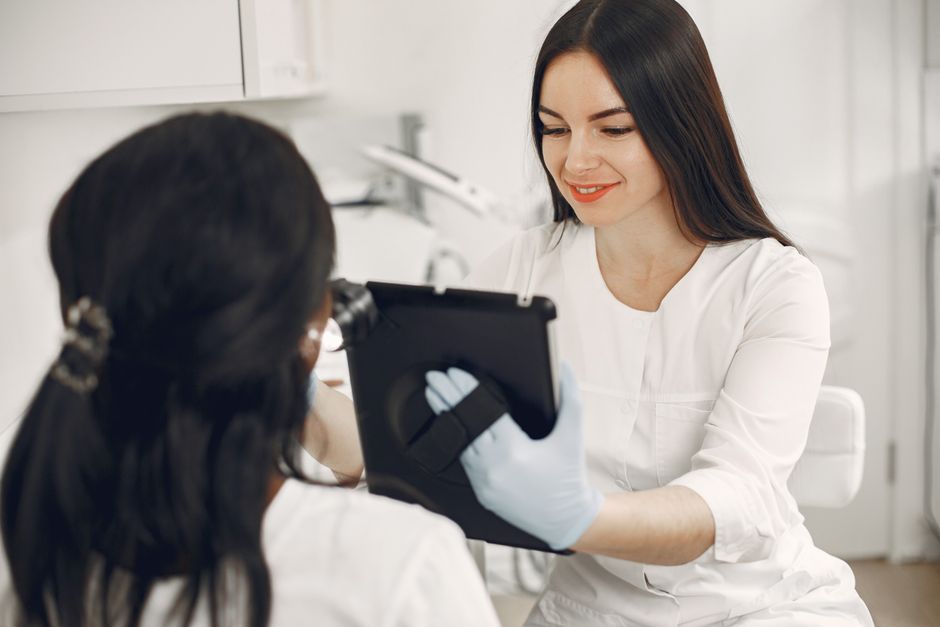
Managing complex treatment pathways, high-resolution before-and-after photographs, and mandatory consent forms across fragmented systems causes severe administrative overhead for cosmetic practitioners. Without a central digital hub, aesthetic clinics risk data security breaches, missed patient follow-ups, and non-compliance with rigorous UK regulatory standards. Adopting dedicated aesthetic clinic software transforms clinical governance by integrating electronic charting, digital consent, and appointment scheduling into a single secure ecosystem.
Quick Answer: Aesthetic clinic software is a specialised digital platform designed for cosmetic practitioners to manage patient consultation forms, digitized consent, photo tracking, and clinical notes in full compliance with UK GDPR and CQC standards. By consolidating EHR records and daily administrative tools, modern solutions like EMRpro help aesthetic practices reduce administrative burdens while maintaining strict clinical governance.
To understand the complete statutory landscape governing private practice management, consult our definitive Practice Management Software: Guide to UK Compliance, which outlines the core legal framework for healthcare providers in the UK.
Why is specialised aesthetic clinic software essential for UK practices?
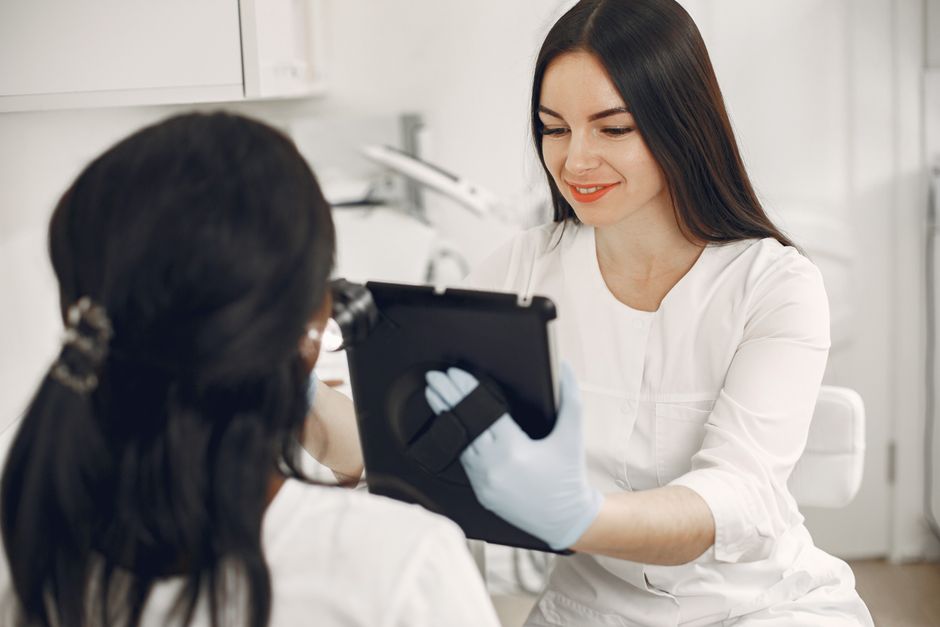
Unlike general practitioner systems, medical aesthetics requires granular clinical documentation tailored specifically to cosmetic procedures like toxin injections, dermal fillers, and light-based therapies. Utilizing an advanced EHR framework ensures that anatomical face-mapping, product batch number recording, and treatment site logs are built directly into patient consultation records.
Generic scheduling tools lack the clinical depth necessary to safeguard medical practitioners during audits. Implementing a dedicated platform like EMRpro allows practitioners to maintain impeccable clinical audit trails whilst delivering a seamless patient journey. For a deeper analysis of electronic records, read our overview on EHR Software: The Complete Guide to Modern Systems.
How does aesthetic clinic software enforce UK regulatory compliance?
Regulatory compliance in the UK cosmetic sector is heavily scrutinised by governing bodies, including the Care Quality Commission (CQC) and the Information Commissioner’s Office (ICO). Aesthetic medical records must adhere strictly to UK GDPR regulations, ensuring patient consent is explicit, informed, and stored securely.
- GDPR-compliant data storage: Encrypted UK cloud hosting that aligns with ICO principles for handling sensitive medical health data.
- CQC inspection readiness: Instant retrieval of complete patient treatment histories, practitioner notes, and product stock logs.
- Standardised medical records: Automated enforcement of clinical protocols, matching standards detailed in our Electronic health records software: UK compliance guide.
- Automated consent management: Pre-treatment medical questionnaires and post-care guidance delivered directly to patient mobile devices.
What features should you look for in a modern aesthetic clinic app?
Practitioners require mobility and flexibility during active clinical consultations. A high-performing aesthetic clinic app enables clinicians to capture standardized face-mapping photos, annotate injection points on a mobile tablet, and collect electronic signatures directly at the point of care.
- Anatomical charting & photo mapping: Overlay injection points, dosages, and filler volumes directly onto high-resolution patient imagery.
- Integrated stock control: Track botulinum toxins and dermal fillers by lot number and expiry date to ensure complete traceability.
- Mobile consultation forms: Enable patients to complete medical history disclosures and consent forms securely prior to arrival.
- Automated payments & deposit collection: Reduce clinic no-shows by collecting online booking fees in British pounds (£) linked directly to your diary.
10-point checklist before switching EMR providers

Upgrading your clinical systems requires structured planning to prevent operational disruption. Use this checklist when evaluating new software options for your clinic:
- Data migration protocol: Verify that existing patient charts and clinical notes can be exported safely without data loss.
- UK GDPR & ICO compliance: Confirm that data servers are hosted in secure UK or EEA data centres.
- CQC alignment: Ensure built-in audit trails for prescribing, stocking, and treatment records.
- Mobile app functionality: Test the responsiveness of the aesthetic clinic app on tablets and mobile devices.
- Anatomical mapping: Check for intuitive visual mapping tools tailored to facial injectables.
- Batch tracking: Confirm automated tracking for prescription-only medicines (POMs).
- Integrated digital consent: Verify automated distribution of pre- and post-treatment advice.
- Role-based access controls: Restrict sensitive patient medical history viewing to qualified clinical staff.
- Financial reporting: Ensure seamless VAT tracking and reporting compatible with UK accounting standards.
- Staff onboarding support: Choose a provider like EMRpro that offers dedicated support for a smooth transition.
Streamline your clinic operations today
Streamlining clinical documentation, safeguarding patient records, and maintaining full CQC compliance no longer need to burden your daily practice routine. Investing in dedicated aesthetic clinic software empowers practitioners to focus on clinical excellence rather than administrative tasks. Software solutions such as EMRpro deliver the robust tools necessary to scale your business safely. To learn more about regulatory obligations across private practice management, revisit our guide on Practice Management Software: Guide to UK Compliance.
Disclaimer: This article is intended solely for educational and informational purposes and does not constitute formal legal, financial, or regulatory advice. Aesthetic practices should consult the CQC, ICO, or legal counsel regarding specific regulatory compliance requirements.
Frequently Asked Questions
Is aesthetic clinic software required for CQC registration?
While the CQC does not mandate a specific brand of software, using dedicated aesthetic clinic software helps ensure your practice meets CQC standards for clear record-keeping, secure patient data handling, and batch traceability for prescription medicines.
How does an aesthetic clinic app manage patient data security under UK GDPR?
An aesthetic clinic app secures data through end-to-end encryption, role-based access controls, and secure UK cloud hosting, ensuring patient photos and clinical consent forms comply with ICO standards.
Can aesthetic clinic software track prescription-only medicines (POMs)?
Yes, specialised aesthetic clinic software includes batch tracking features that record the lot number, expiry date, and dosage of prescription-only medicines allocated to specific patient records.
How long should UK aesthetic practices retain patient records?
In the UK, adult medical records should generally be retained for a minimum of 8 years following the last treatment date, whilst records for minors must be kept until their 25th birthday, in accordance with NHS and private practice guidelines.